
Applied Physics
[ Slides of the presentation delivered on April 21, 2026 ]
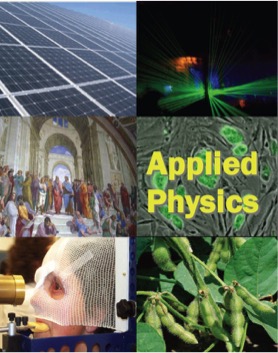
The Physics Applied to Cultural Heritage, Environment, and Medicine curriculum aims to train graduates with the knowledge necessary to pursue roles in the application and development of key physics methodologies in the manufacturing industry, in specialized laboratories and public and private institutions, as well as universities and research centers in Italy and abroad. The primary objective is to provide graduates with a solid foundation in the underlying physics principles, with particular emphasis on fundamental concepts, instrumentation, and analysis and investigation methodologies.
The curriculum is structured to provide students with a solid foundation in classical and modern physics, a good command of the scientific method of investigation, and in-depth knowledge of modern measurement instruments, the most advanced data analysis techniques, and the main mathematical and computer science support tools.
These skills can be applied in the environmental, biological, medical, and cultural heritage fields. Additional knowledge in IT and electronics will be provided to complete the skill set that can be applied in various professional contexts.
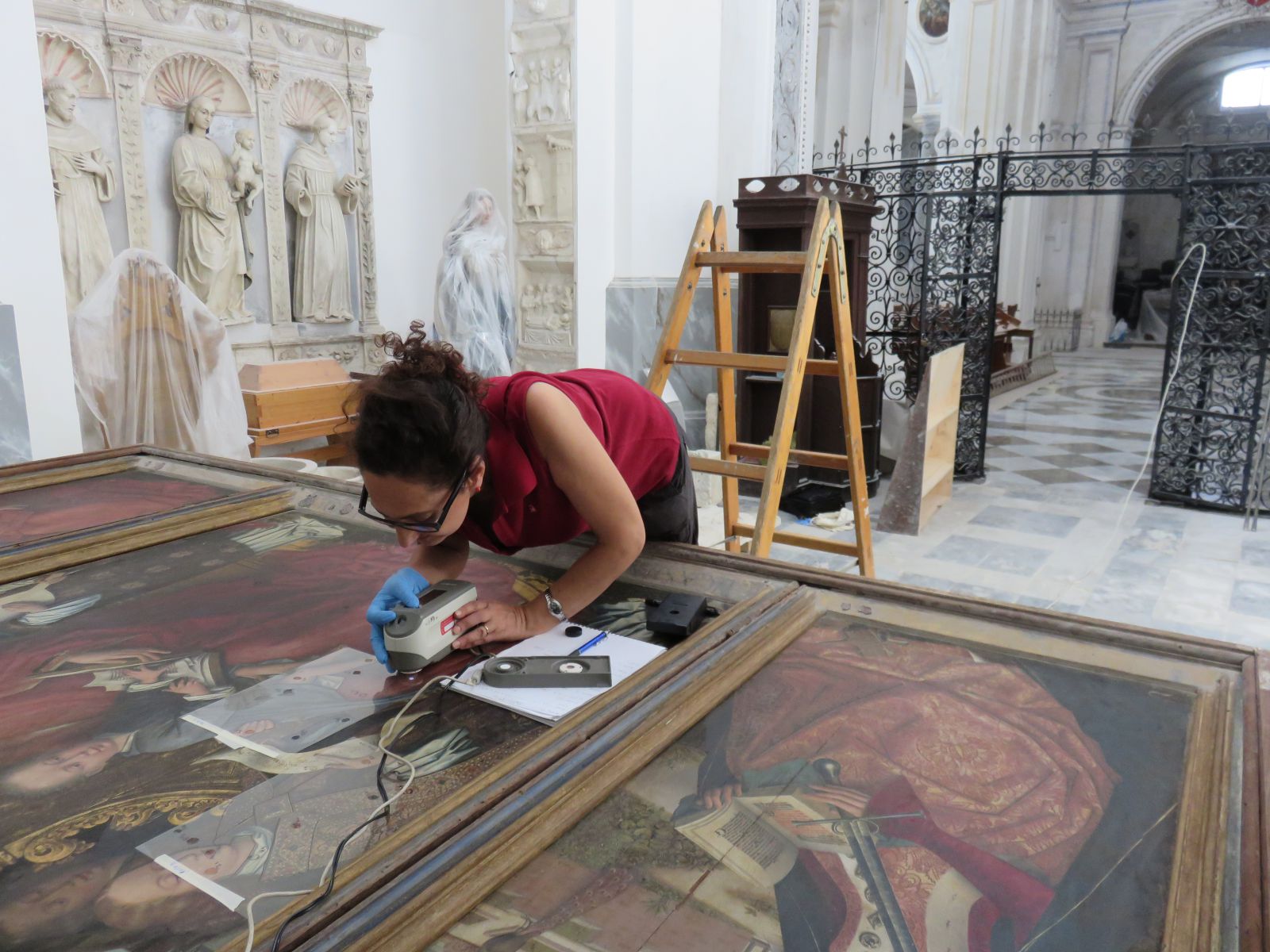
In-depth knowledge of modeling, instrumentation, measurement, and data analysis for applications relevant to Cultural Heritage is ensured by dedicated courses in archaeometry and physical methodologies applied to cultural heritage. Access to the expertise and equipment of research laboratories that have been operating in the field for decades plays a key role in this area. This sector is characterized by particular expertise in absolute dating methods and diagnostic characterization techniques of interest for both the conservation and restoration and enhancement of both movable and immovable works of art.
In-depth knowledge and skills are acquired in various topics related to Environmental Physics through the use of teaching and research laboratories, equipped with advanced instrumentation for investigations into the various aspects of the environment (radioactivity, atmosphere, air pollution, noise, electromagnetic fields, etc.) and through the use of simulation software for modeling reference scenarios for the study of climate change as well as for the study of the atmosphere, including with reference to the unique environmental characteristics of the territory.
Understanding these topics is ensured by a wide range of courses, delivered through both lectures and specialized laboratory experiences, as well as numerous seminars and internships both in Italy and abroad as part of Erasmus+ programs. Assessment methods include individual oral and/or written tests and laboratory work. Thesis work, almost exclusively experimental, is particularly important, often completed under specific agreements with public bodies and private companies.
Students must demonstrate the ability to apply their knowledge and understanding of the key concepts learned in Applied Physics, demonstrating mastery of both fundamental physics issues and the experimental methodologies based on them, especially in relation to specific applications and related objectives. This ensures a highly qualified scientific approach, which can be leveraged in both public and private research in the fields of Environmental Physics and in physics applied to Cultural Heritage and Biomedicine. The educational objectives of the Applied Physics curriculum, in the field of Cultural Heritage diagnostics and the characterization and dating methodologies typical of materials of interest to artistic heritage, provide graduates with the skills necessary to conduct research in archaeometrics and the expertise necessary to serve in museums, superintendencies, and public and private organizations operating in the sector.
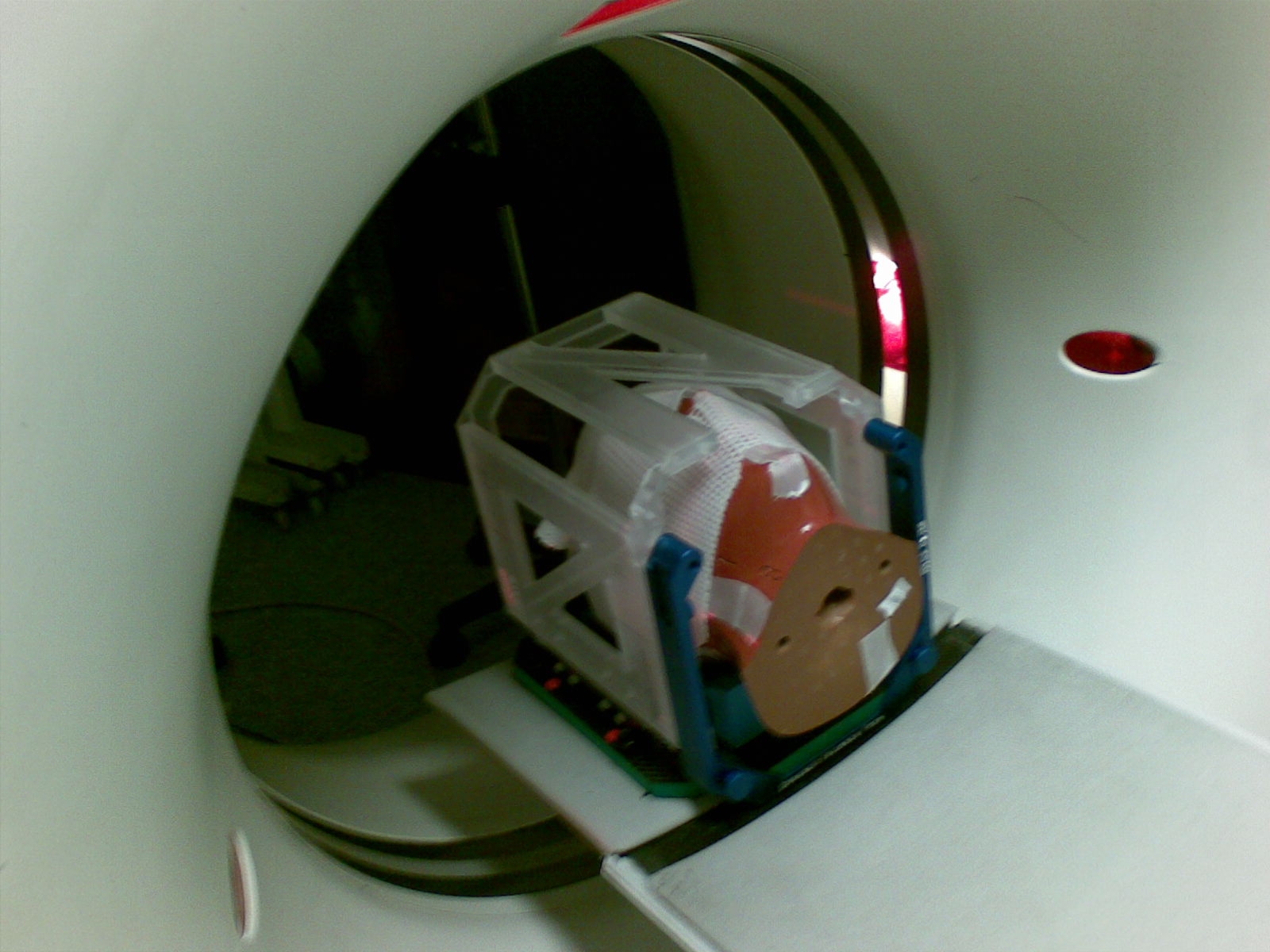
The educational objectives for the Environmental Physics program enable graduates to apply their acquired skills in a variety of professional settings, including research institutions, public and private agencies operating in the field of environmental investigations (National Environmental Protection Agency, Higher Institute for Environmental Protection and Research, ENEA, INRC, IAEA), in environmental monitoring services operated in industrial and energy production plants, as well as at the Ministry of the Environment and the National Institute of Health. Graduates also acquire skills that will allow them to take the exams for inclusion in the Register of Qualified Experts, allowing them to work as freelancers in the field of environmental monitoring in the field of radiation protection. The Applied Physics curriculum allows students to tailor their training to carry out research in the medical and biomedical fields as well as to work in biomedical industries, public agencies, and private companies involved in health and regulatory monitoring. In this regard, the knowledge is such that graduates are prepared to take the tests required for admission to the Register of Qualified Experts and the entrance exam for the School of Specialization in Medical Physics, a qualification required to work in healthcare facilities. Acquisition of these skills is assessed through written and oral exams, laboratory tests, and, above all, the thesis work.
Coordinator: Prof. Anna Gueli.
